How to Keep Your Mobile Banking Account Safe from Fraudsters
Posted On: Thursday, October 1 2026
Mobile banking has made it easier to check your balance, send money, pay bills and manage your finances from anywhere. With Mobile Banking Kenya services becoming part of everyday life, customers can enjoy convenience without visiting a bank branch.
However, the same convenience can attract fraudsters who use fake messages, phishing links, social engineering and impersonation to trick customers into revealing sensitive information. Understanding mobile banking security tips Kenya customers can follow is an important part of staying safe.
Whether you use mobile apps, internet banking or other forms of Digital Banking Kenya, simple security habits can greatly reduce your risk of fraud.
To protect your mobile banking account from fraud, never share your PIN, password or OTP, avoid suspicious links and use only official banking apps and websites. Keep your device updated, monitor transaction alerts regularly and contact your bank immediately if you notice suspicious activity or believe your account has been compromised.
What Is Mobile Banking Fraud?
Mobile banking fraud happens when criminals gain unauthorised access to your banking information, mobile device or account and use it to steal money or personal information.
Fraudsters may pretend to be from your bank, a mobile network provider, a government agency or another trusted organisation. They may contact you through phone calls, SMS, WhatsApp, email or social media and create a sense of urgency.
For example, a fraudster may claim that your account will be blocked unless you confirm your PIN, password or OTP.
Remember: legitimate banking staff should not ask you to disclose confidential security credentials such as your PIN, password or OTP.
How Can I Protect My Mobile Banking Account from Fraud?
Following a few safe digital banking practices can help protect your account.
1. Never Share Your PIN, Password or OTP
Your banking PIN, password and one-time password are private. Never share them with anyone, even if the person claims to be calling from your bank.
Fraudsters often use pressure and urgency to make customers act without thinking. If someone asks for your banking credentials over the phone, SMS or online, stop the conversation and contact your bank through an official channel.
Prime Bank’s mobile banking service, PrimeMobi, uses security credentials for accessing and authorising transactions, making it important for customers to keep these details confidential.
2. Be Careful with Suspicious Links
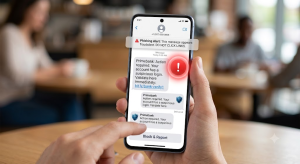
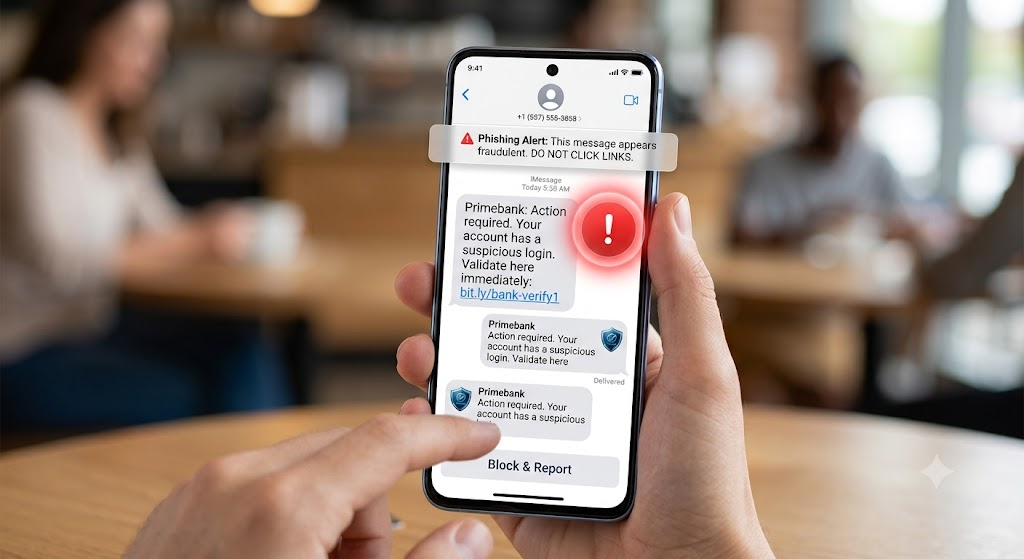
One of the common ways criminals steal banking information is through phishing. You may receive a message containing a link that appears to come from your bank or another trusted organisation.
Do not click links simply because a message looks official. Instead, open your banking app directly or type the bank’s official website address into your browser.
This is particularly important for customers using Online Banking Kenya services, where fake login pages can be designed to look similar to genuine banking websites.
3. Download Banking Apps from Official Sources
Only download your banking application from the official Apple App Store or Google Play Store. Avoid APK files, unknown websites or applications shared through WhatsApp and other messaging platforms.
Before entering your login details, check that you are using the genuine banking application. Keep your phone’s operating system and banking app updated to benefit from the latest security improvements.
4. Use Strong and Unique Passwords
Do not use easy-to-guess passwords such as your name, birthday, phone number or simple number combinations.
Your banking password should be difficult for others to guess and should not be reused across multiple services. If one account is compromised, reused passwords could put other accounts at risk.
Where available, use biometric authentication such as fingerprint or face recognition together with other security controls.
5. Check Your Account and Transaction Alerts
Regularly review your account balance and recent transactions. Transaction alerts can help you identify activity that you do not recognise.
PrimeMobi provides features such as balance enquiries, transaction services, SMS and email alerts, making it easier for customers to monitor account activity.
If you notice an unfamiliar transaction, report it to your bank immediately rather than waiting to see what happens.
6. Avoid Banking on Unsafe Networks
Be careful when accessing your account using public Wi-Fi, especially in places such as cafés, airports or shopping centres.
When possible, use your mobile data or a trusted private network for banking. Also avoid saving your banking passwords on shared or public computers.
If you lose your phone, take action quickly. Contact your bank and mobile network provider if you believe your banking information or mobile number could be at risk.
What Are the Most Common Mobile Banking Scams in Kenya?
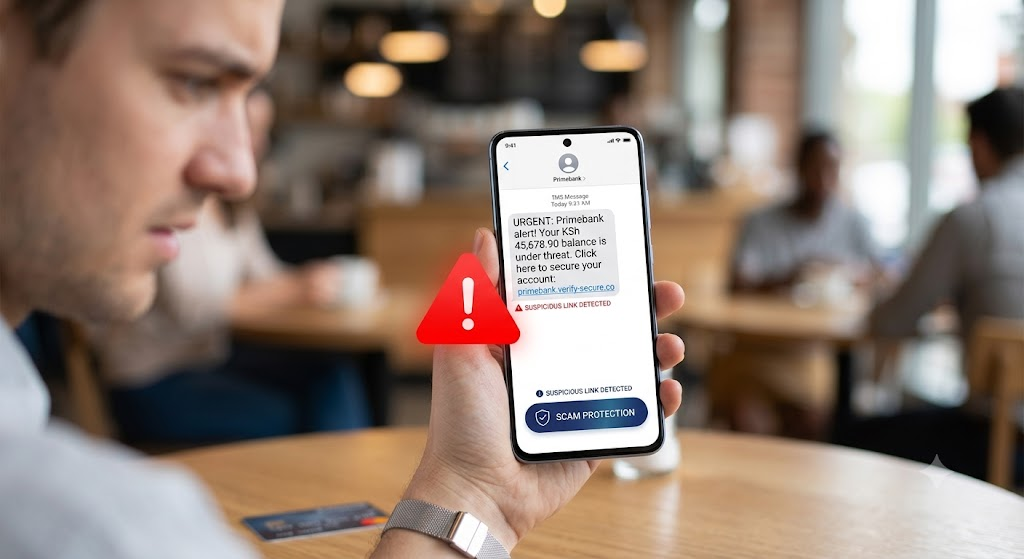
Some common scams rely more on deception than sophisticated technology. Fraudsters may use fake bank calls, phishing messages, fake promotions, SIM-related scams or social engineering to convince customers to disclose information or approve transactions.
A common warning sign is urgency. Messages such as “your account will be closed today” or “confirm this transaction immediately” are designed to make you panic.
Before taking action, stop and verify the request independently. Do not use a phone number or link provided in a suspicious message.
How Do I Keep My Online Banking Account Secure?
Good Secure Mobile Banking practices also apply to online banking. Always log in through the official banking website, use strong passwords, keep your device updated and avoid sharing login information.
For example, Prime Bank’s PrimeNet platform allows customers to check balances, manage beneficiaries, make transfers and perform other banking activities online.
For business users, it is also important to ensure that only authorised employees can access banking systems and approve transactions. Regularly reviewing user access and transaction activity can add another layer of protection.
Choose a Secure Mobile Banking Solution
Using a trusted mobile banking platform can make everyday banking more convenient while supporting safer digital banking habits. PrimeMobi, Prime Bank’s mobile banking app, allows customers to manage their banking needs from their mobile devices. Customers can use PrimeMobi for convenient access to banking services while following essential security practices such as protecting login details, avoiding suspicious links and regularly checking transactions.
For additional guidance, customers can also review Prime Bank’s mobile and online transaction safety tips to learn how to protect their accounts and identify common fraud risks. If you are looking for a convenient Mobile Banking Kenya solution, explore PrimeMobi and the bank’s available mobile banking services.
What Should I Do If I Suspect Banking Fraud?
If you suspect that someone has accessed your account or you have approved a transaction because of a scam, act quickly.
First, contact your bank through an official contact number or visit a branch. Explain what happened and provide details of any suspicious transactions or messages. If necessary, ask the bank what steps should be taken to secure your account.
Do not continue communicating with the suspected fraudster. Save relevant messages, phone numbers, emails or transaction details because they may help the bank investigate the incident.
Prime Bank provides customer support through its official contact channels, including its call centre and customer care email.
Build Safe Digital Banking Habits
Protecting your account is not only about the security features provided by your bank. Your own actions also matter. Never share confidential banking information, question unexpected requests, check transaction alerts and use only official banking platforms.
As Digital Banking Kenya continues to grow, customers can enjoy faster and more convenient financial services while taking sensible steps to protect their accounts.
Prime Bank customers can use services such as PrimeMobi and PrimeNet while following these basic security practices to help keep their banking information and transactions safer.
Stay Alert, Stay Secure
Safe mobile banking starts with simple habits. Keep your PINs and passwords private, avoid suspicious links, use official banking applications, monitor transactions and contact your bank quickly if something looks unusual. By following these mobile banking security tips Kenya customers can reduce their exposure to fraud and enjoy the convenience of Secure Mobile Banking with greater confidence.
Frequently Asked Questions
Never share your PIN, password or OTP with anyone, even if they claim to represent your bank. Use official banking apps and websites, avoid suspicious links and monitor your account regularly.
Common scams include phishing messages, fake bank calls, impersonation, fake promotions and social engineering. Fraudsters often create urgency to convince customers to reveal confidential information or approve transactions.
Use a strong and unique password, access your account only through the official banking website and keep your device updated. Avoid using public Wi-Fi or shared computers for sensitive banking activities.
No. Your OTP is confidential and should not be shared with another person. If someone asks for your OTP, stop the conversation and contact your bank through an official channel.
Mobile banking can be safe when customers use official banking platforms and follow good security practices. Keeping your credentials private and monitoring transactions are important parts of Secure Mobile Banking.
Contact your bank immediately through an official channel and report any suspicious transaction or activity. Do not communicate further with the suspected fraudster and keep relevant messages or transaction details for investigation.
Use official banking apps, protect your PIN and passwords, avoid suspicious links, keep your
phone updated and review transaction alerts regularly. These safe digital banking practices can
help reduce the risk of unauthorised access and fraud.